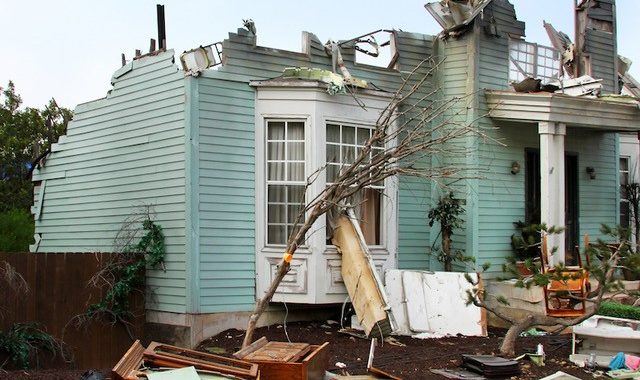
As we enter hurricane season, it's helpful to know about MapSavvy as an affordable, effective hurricane damage assessment tool.
How Does MapSavvy Help Assess Hurricane Damage?
When a hurricane roars through an area — whether wildland or an urban corridor — the damage left behind must be assessed for emergency response, for insurance purposes, and for evaluating geographic changes that occurred as a result of the storm. In all these instances, MapSavvy can help, at a fraction of the cost of many other sources of aerial imagery.
When a hurricane powers through an area, it can leave changes that last for decades, as well as costing millions or billions of dollars to rebuild homes, buildings, power grids, and transportation infrastructure. MapSavvy provides the "Before" images for comparison with new images taken by satellite or drone following a destructive storm. By providing affordable images that can be compared to "After" images of a storm-hit area, emergency response planners and city administrators can make more thoughtful, informed decisions to cope with the aftermath.
Step 1: Emergency Response
The first step in hurricane damage assessment is emergency response. Emergency management departments must get fast assessments of damage and of people who may be trapped, and plan rescue operations accordingly. Part of that effort involves comparing what WAS there — roads, bridges, rivers — with what's been washed out. MapSavvy can quickly provide affordable "Before" images for emergency response managers to compare with new aerial imagery, so they can kick into gear with plans for rescues, emergency housing, and more.
Step 2: Public Infrastructure Damage Assessment
While emergency response teams assess damage and rescue needs, municipal, state, and federal professionals assess how public infrastructure has been affected and how to stage the most-needed repairs to ensure public safety. A key tool is comparing "Before" images from MapSavvy with aerial images taken by satellite or drone after the hurricane. With this combination, city planners and power grid managers can identify the areas with the most damage and build emergency repair plans.
Step 3: Emergency Housing
Once emergency response has addressed immediate dangers and infrastructure repairs are underway, long-term planning for emergency housing kicks in. Federal and state agency staff are deployed to plan housing for people whose homes have been damaged beyond livability. Before-vs-After aerial imagery from MapSavvy is key to assessing the areas that will need emergency services such as housing.
Step 4: Insurance Industry Involvement
After emergency response and public infrastructure repairs are well underway, the insurance industry needs information to assess damage, process claims, and help property owners get back on their feet. "Before" imagery from MapSavvy supports that assessment and claims process.
Step 5: Research & Scientific Study
Once the practicalities of emergency response, infrastructure repairs, and insurance are underway, scientists and researchers get involved to assess the storm's intensity, patterns of destruction, changes in geography, and more. These research teams are often on tight budgets — and that's where MapSavvy is helpful, providing affordable "Before" aerial imagery for scientific comparison with post-storm images.
Bottom line: MapSavvy is one of the most affordable, effective sources of "Before" aerial imagery, invaluable across the multiple stages of hurricane damage assessment — for emergency response departments, city planners, federal and state emergency organizations, insurance adjusters, and the scientists who study the storm. Where many aerial imagery services charge thousands of dollars per year, often for a limited geographic scope, MapSavvy costs $999 per year for up to 40,000 WMS requests.
Interested in learning more about how MapSavvy can be used in hurricane damage assessment? Try our free 14-day trial.