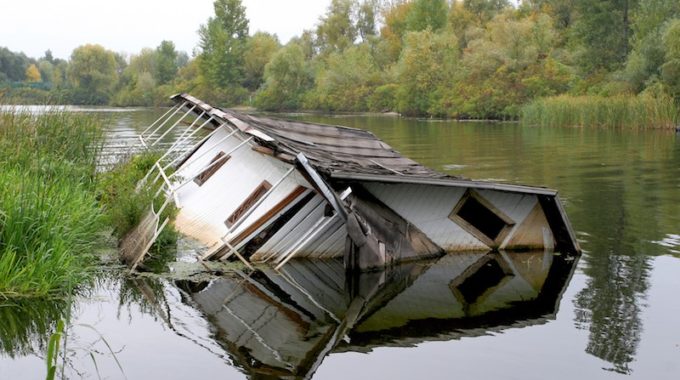
While satellite and aerial web maps have many uses in business, government, and research, web map services like MapSavvy also serve as a powerful humanitarian aid planning tool in the aftermath of natural or man-made disasters.
MapSavvy Works as a Humanitarian Aid Planning Tool for All 3 Phases
Humanitarian aid is a complex process that can span cities, regions, countries, and multiple countries, as well as many types of needs for people affected by natural or man-made disasters. The good news is that MapSavvy provides needed visual information that helps in the three main phases of humanitarian aid planning.
Whether a Category 5 hurricane, epic flood, or political unrest is the source of the disaster, there are three main phases of dealing with the situation:
- Needs Assessment
- Strategic Response Planning
- Strategic Response Monitoring
Phase 1: Needs Assessment
In this phase, humanitarian aid coordinators need to assess questions such as: What specifically has happened? Do people need to be rescued? Do they need food, shelter, or medical care? Do they need protection from violence? Has infrastructure been damaged or destroyed? Is the power out? Are water-processing facilities offline? Do people need to be moved from one area to another — how many, and where? Are roads and bridges still intact, or are they blocked, washed out, or destroyed? What's the landscape in the affected area, and are there geographic features that help or hinder aid efforts?
MapSavvy is particularly helpful in the assessment phase. By providing affordable web map images from the past, humanitarian aid coordinators can compare historic aerial images with real-time satellite or drone footage to assess the damage.
Phase 2: Strategic Response Planning
In the strategic response phase, humanitarian aid planners develop a set of overriding goals tied to specific action items, then break the tasks and actions into manageable "clusters" so they're easier to manage and deploy.
MapSavvy is helpful at this stage because it's where aid workers develop plans and cost them out. MapSavvy supports the planning and costing process by providing "Before" images that help determine the magnitude of the damage and what's needed to resolve the situation. By comparing "Before" images of the affected area — or of an area targeted for relocating affected people — planners can understand the infrastructure that's already there or that's needed, and then develop plans and costs.
Phase 3: Response Monitoring
The final component of any humanitarian response plan is to monitor progress and put in place any changes that may be needed. In response monitoring, Before-After images of a distressed area can speak volumes about how the program is progressing. When aid teams can show progress — or the magnitude of the problem — visually, it can galvanize public awareness and lead to additional support.
MapSavvy provides both recent and historical images. With this library of imagery, humanitarian aid strategists can show levels of destruction, geographic challenges, and build support for additional aid.
The bottom line is that humanitarian aid programs are needed with increasing frequency, thanks to an increasing number of devastating hurricanes, typhoons, and floods, along with unrest that leads to mass migrations of people fleeing conflict. MapSavvy is a powerful, affordable humanitarian aid planning tool that helps pick up the pieces after natural or man-made disasters.
Interested in learning more about MapSavvy and giving it a test drive? Try our free 14-day trial.